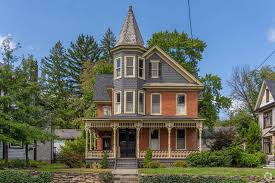
If you have ever walked through Stroudsburg and found yourself looking up at porches, cornices, and old brick facades, you are not alone. The borough’s historic homes give downtown its character and make house hunting here feel different from a typical search. If you are curious about what defines these older properties, what it is like to live in one, and what to keep in mind before you buy, this guide will help you look at Stroudsburg with a more informed eye. Let’s dive in.
Why Stroudsburg Feels Historic
Stroudsburg is often described by Monroe County as the historic heart of Monroe County and the only traditional downtown in the Pocono Mountains region. That identity shows up in the street layout, the walkable core, and the architecture that lines Main Street and nearby residential blocks.
The borough’s setting also shapes the experience. Stroudsburg sits near the confluence of Brodhead, McMichaels, and Pocono Creeks, and it is about five miles from Delaware Water Gap. That combination of downtown character and outdoor access is part of what makes the area feel both established and connected to the broader Pocono landscape.
Early Architecture in Stroudsburg
One of the best places to understand Stroudsburg’s earliest residential style is Stroud Mansion at 900 Main Street. Built in 1795 by Jacob Stroud for his son John, this 12-room Georgian house has served many purposes over time, including a family home, tavern, boarding house, and library. Today, it serves as the headquarters of the Monroe County Historical Association.
Its design offers a clear look at early local architecture. The mansion’s symmetrical facade, keystoned lintels, quoins, and dentils reflect Georgian design and help set a baseline for understanding some of the borough’s oldest homes. Even if most buyers are not shopping for a museum-level property, these details help explain the roots of Stroudsburg’s architectural identity.
Styles You May See Around Town
Stroudsburg’s historic housing stock is layered, which means you are likely to see more than one style in the same general area. That variety is a big part of the appeal, especially if you enjoy homes with distinct curb presence and visible architectural detail.
Downtown walking tour materials point to Federal houses with features like fanlights, large windows with flat lintels, and quarter-circular windows in the gable end. As you move through later periods, you may also notice Italianate details such as bracketed cornices and molded window hoods.
Some commercial and mixed-use buildings add even more variety. Second Empire features like mansard roofs and dormers appear in parts of town, along with Romanesque Revival elements such as stone arches and terra-cotta ornament. Taken together, these styles create a streetscape that feels collected over time rather than built all at once.
Academy Hill’s Historic Character
If you want a residential area that shows off this range clearly, Academy Hill is one of the most important historic districts in Stroudsburg. The Academy Hill Historic District is roughly bounded by Sarah, 8th, Fulmer, and 5th Streets, about two blocks north of Main Street.
The district is listed on the National Register and includes architecture from the early 1800s through 1949. Its noted styles include Colonial Revival, Bungalow/Craftsman, and Queen Anne. For you as a buyer, that means you may find early townhouses, late-Victorian homes, and early-20th-century revival houses within the broader downtown area.
This variety matters because it shapes both appearance and layout. Instead of a one-style neighborhood, Academy Hill offers a mix of forms, rooflines, porch styles, and exterior materials. That can make home shopping here feel more personal, since each property may have its own story and design language.
What Gives Older Homes Their Appeal
Many of Stroudsburg’s older homes stand out because they have strong street presence. Decorative trim, masonry or brick details, and a sense of architectural evolution from one era to the next can make these properties feel memorable in a way that newer construction often does not.
That appeal is not just visual. Older homes near downtown are part of a compact environment that connects you to shops, cafés, galleries, and live-music venues along Main Street. If you value being close to local activity, the setting can be just as important as the house itself.
For some buyers, the draw is also flexibility. The local walking tour notes that several larger Main Street homes were later converted to professional offices, and some combined domestic and commercial functions. That history suggests many older properties have adaptable layouts, especially near the commercial center and courthouse square.
What It May Feel Like to Live There
Living in an older Stroudsburg home often means choosing character along with convenience. Homes near the center of town are tied to a more walkable pattern, with downtown destinations and metered on-street parking shaping the day-to-day experience.
That is different from a detached suburban setting. Depending on the property, you may be trading a more uniform neighborhood layout for a closer connection to the borough’s historic core, arts activity, and established streetscape. For many buyers, that trade-off is exactly the point.
At the same time, older homes usually come with quirks. Room sizes, floor plans, storage, and updates can vary widely from one property to the next. In Stroudsburg, that means it is smart to look beyond the charm and think carefully about how the home supports your routine, renovation plans, and long-term goals.
Renovation Rules to Know
If you are considering a historic home in Stroudsburg, local preservation rules are important. The borough created a Historic Preservation District ordinance in 2006 to protect buildings and streetscapes.
According to the borough, exterior renovations or alterations within the district require a Certificate of Appropriateness before work begins. The Historic Architectural Review Board reviews new construction, demolitions, and exterior alterations. In practical terms, that means visible changes may require more planning, more coordination, and more patience than a similar project outside the district.
This does not mean improvements are off limits. It simply means you should understand the review process early, especially if you are already imagining exterior paint changes, window replacements, porch work, or additions. Knowing the rules up front can help you plan your budget and timeline with fewer surprises.
Maintenance in the Pocono Climate
Climate is another practical piece of the ownership story. NOAA data for nearby East Stroudsburg shows 1991 to 2020 normals of 53.55 inches of annual precipitation and 41.6 inches of annual snowfall.
For an older home, those conditions can make seasonal maintenance especially important. Roofs, gutters, drainage, masonry, and snow or ice management all deserve close attention. While every property is different, weather exposure and age together can affect how much upkeep a home needs over time.
This is one reason historic-home buyers benefit from a careful, property-specific approach. A beautiful exterior is only part of the picture. You also want to understand how the house handles moisture, winter conditions, and routine maintenance through the seasons.
Lead Paint and Older Housing
Because much of Stroudsburg’s historic housing stock predates 1978, lead-based paint is another important consideration. The EPA states that homes built before 1978 are more likely to have lead-based paint, and renovations that disturb painted surfaces can require lead-safe work practices.
This comes up most often when buyers start thinking about painting, replacing windows, repairing trim, or opening walls. If you are planning updates, it is wise to ask clear questions about the age of finishes and the scope of any future work.
Lead-related disclosure rights also apply to buyers or renters of most pre-1978 housing. In a market with many older homes, that makes due diligence especially important. A charming house can still be the right fit, but it helps to go in with open eyes and a realistic plan.
How to Shop Historic Homes Wisely
If you are drawn to Stroudsburg’s older homes, it helps to balance emotion with practical review. Character can pull you in quickly, but the best buying decisions usually come from looking at both design and day-to-day function.
As you tour homes, pay close attention to:
- Exterior materials and visible condition
- Rooflines, drainage, and gutter systems
- Window styles and trim details
- Layout flexibility and room flow
- Proximity to Main Street and downtown activity
- Whether the property falls within a historic review area
- Your renovation goals and timeline
A thoughtful search can help you find a home that fits both your taste and your lifestyle. In Stroudsburg, that often means appreciating the history while staying realistic about care, rules, and long-term ownership.
Historic homes in Stroudsburg offer more than curb appeal. They connect you to the borough’s deeper story, from Georgian roots to Victorian-era detail and early-20th-century revival styles. If you want help exploring Stroudsburg homes, comparing neighborhoods, or finding a property that matches your goals in the Poconos, connect with Kacey Conaty.
FAQs
What architectural styles can you find in Stroudsburg historic homes?
- Stroudsburg historic homes may include Georgian, Federal, Italianate, Colonial Revival, Queen Anne, Bungalow/Craftsman, Second Empire, and Romanesque Revival features, depending on the property and location.
What is the Academy Hill Historic District in Stroudsburg?
- The Academy Hill Historic District is a National Register district roughly bounded by Sarah, 8th, Fulmer, and 5th Streets, and it includes homes from the early 1800s through 1949 in several architectural styles.
What should you know before renovating a historic home in Stroudsburg?
- In Stroudsburg’s Historic Preservation District, exterior renovations or alterations require a Certificate of Appropriateness before work begins, and the Historic Architectural Review Board reviews certain changes.
What is it like to live near downtown Stroudsburg?
- Living near downtown Stroudsburg often means being part of a walkable setting near shops, cafés, galleries, and live-music venues, with a more compact historic environment than a typical suburban layout.
Why do older homes in Stroudsburg need careful maintenance?
- Older homes in Stroudsburg may need close attention to roofs, gutters, drainage, masonry, and snow or ice management because of the area’s annual precipitation and snowfall, along with the age of the housing stock.
Why is lead paint a concern in Stroudsburg historic homes?
- Many historic homes in Stroudsburg were built before 1978, which makes lead-based paint a relevant issue when buying, renting, or planning renovations that disturb painted surfaces.