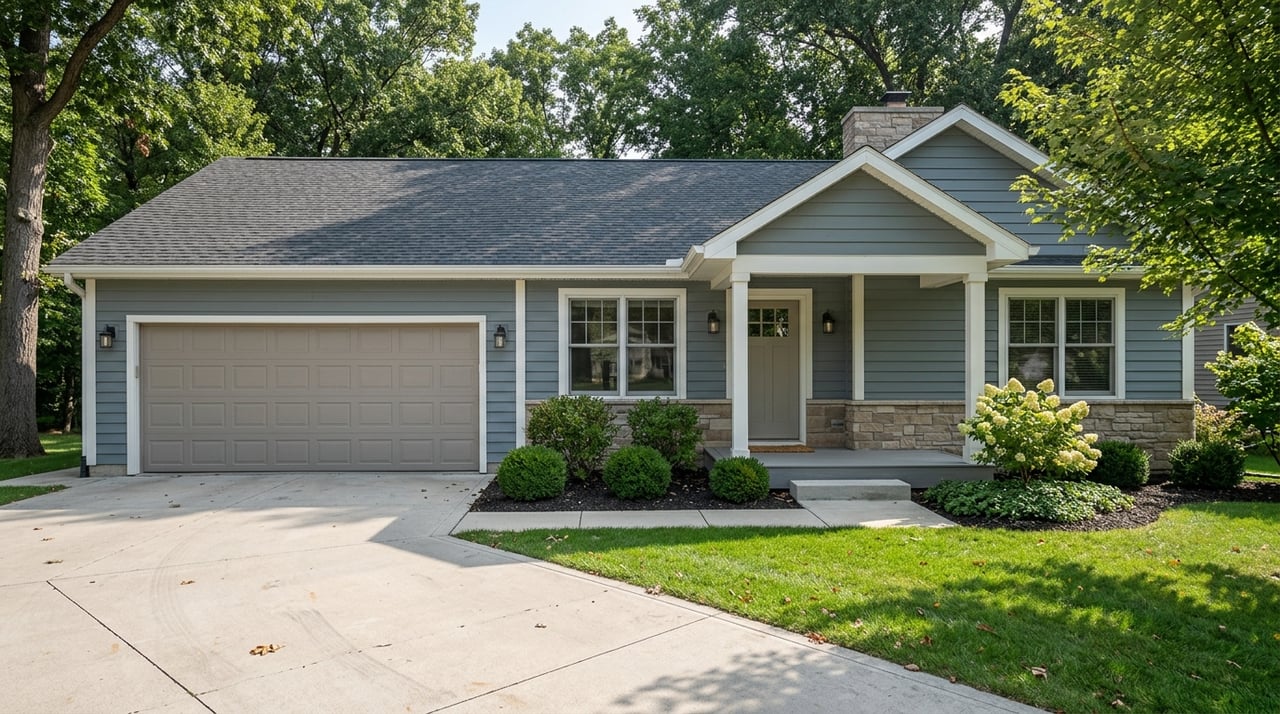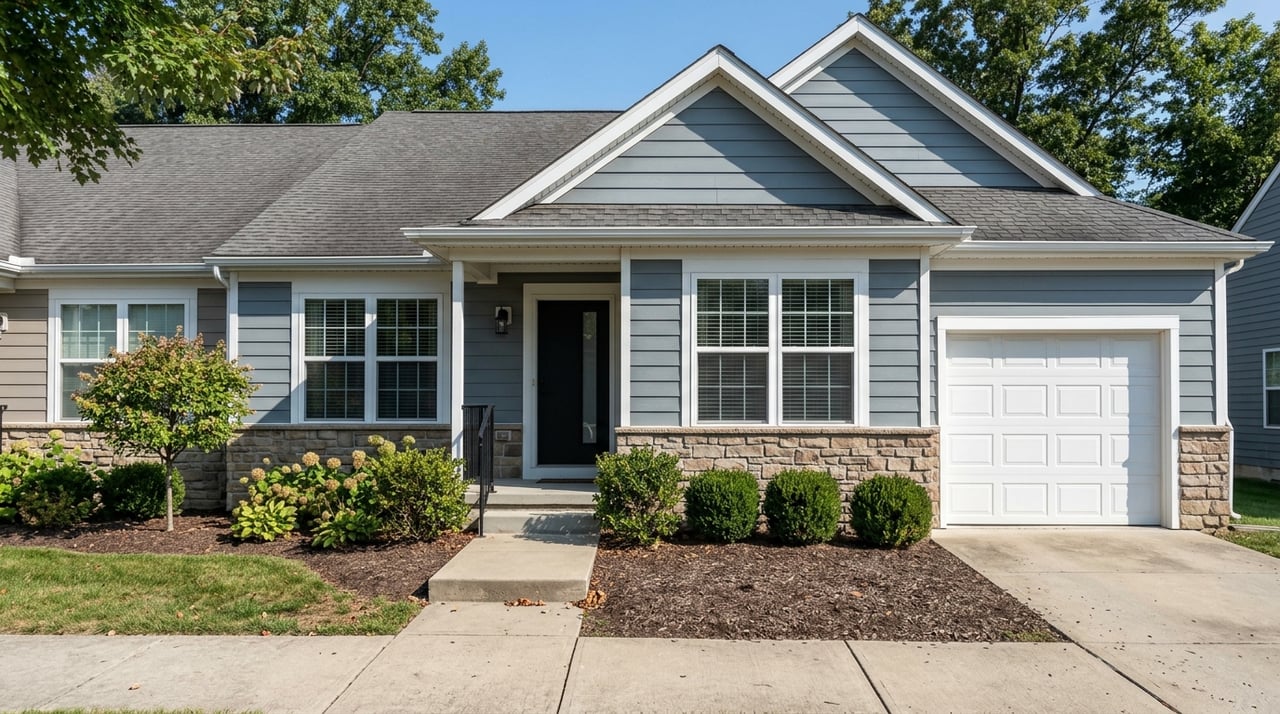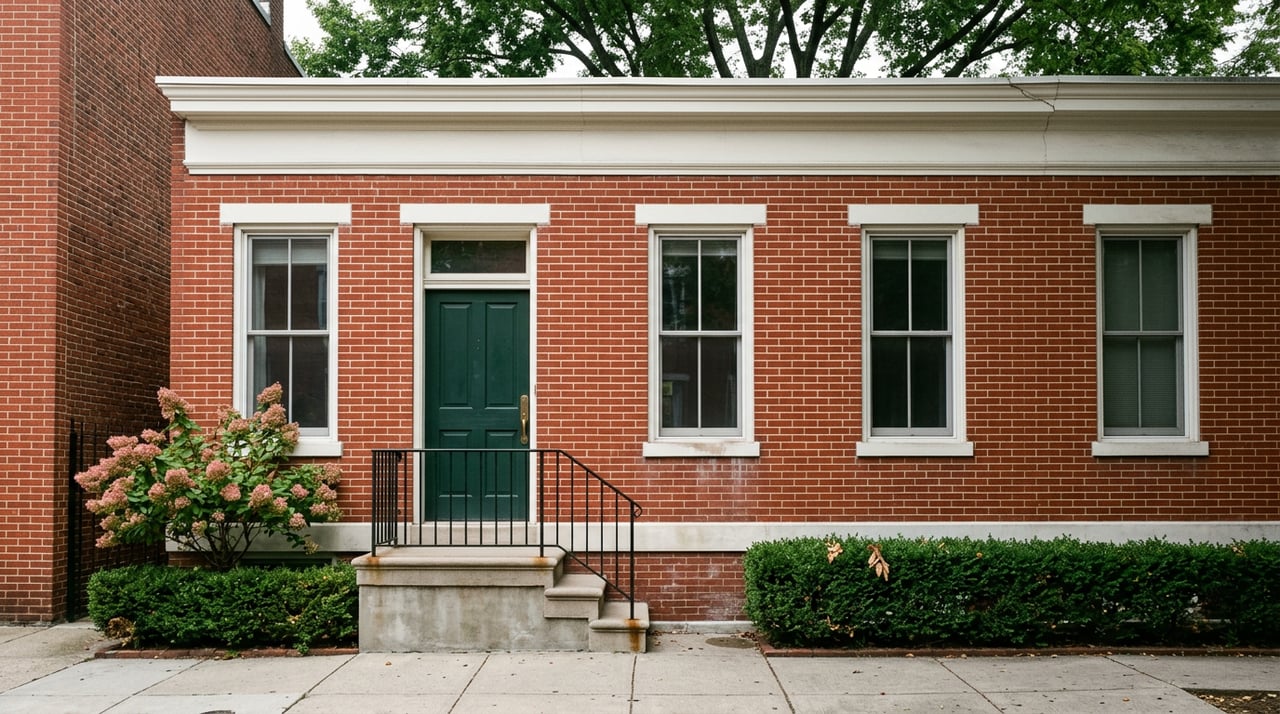
A buyer's agent for a rowhouse three blocks from Courthouse Square recently found out the hard way. Their contract skipped past the neighboring borough entirely. Ten minutes later, at a listing on the same road but on the other side of an unmarked municipal line, that easy math falls apart. Same zip code area, same downtown feel, two different sets of rules for what has to happen before anyone can move in.
That line runs between Stroudsburg Borough and East Stroudsburg Borough. Both sit at the center of Monroe County's Pocono corridor, both share a name that gets used interchangeably in casual conversation, and both require a certificate of occupancy before someone can legally live in a home. But how that certificate gets triggered, who inspects for it, and what happens if the house doesn't pass are not the same process. A buyer or seller who assumes the two boroughs work identically can end up scrambling in the final two weeks before closing.
What East Stroudsburg Actually Requires
East Stroudsburg Borough has the more thoroughly documented rule, and it applies to every property changing hands, not just rentals. Under Ordinance No. 1211, adopted September 2, 2008, any legal owner of a building must notify the Code Enforcement Officer at least 15 days before a change of ownership and request an inspection. No certificate of occupancy gets issued until the property passes.
The inspection isn't a general walkthrough. It checks eight specific items: zoning compliance, smoke detectors, fire-resistance ratings, handrails and guards, electrical work including GFCI outlets, sidewalks and curbs, plumbing, and whether the street number is properly posted. If the inspector finds a violation, the borough issues an itemized list, and in most cases the fix has to happen before the ownership transfer closes.
There is a release valve. The ordinance allows what it calls an "as-is purchase," where the buyer agrees in writing to accept the property as it stands. For curb, sidewalk, or walkway repairs specifically, the buyer escrows cash with the borough based on a cost estimate and has 18 months to complete the work and call for permitted inspections. That flexibility does not extend to safety items. The ordinance is explicit that no occupancy is permitted if a hazardous condition exists, meaning a structurally unsound building, a lack of working sanitation, or missing smoke detectors. Those have to be resolved before anyone moves in, as-is agreement or not.
For a buyer under contract on an older East Stroudsburg property, this is the timeline that actually governs closing, more than anything a lender or a home inspector will flag. Missing that 15-day notice window is the single most avoidable way a closing date slips.
What Stroudsburg Borough Does Instead
Cross into Stroudsburg Borough proper, the county seat and the historic downtown around Courthouse Square, and the picture changes. The borough's own code enforcement page states plainly that anyone moving into a residential or commercial dwelling must obtain a certificate of occupancy, and that this is the property owner's responsibility. That's the general rule. What the borough has actually built out in detail, though, is something narrower.
Ordinance #1153, enacted in September 2023, governs residential rental properties specifically. It requires annual licensing for every rental unit in the borough and establishes a rotating three-year inspection cycle. The borough works through the cycle by geographic zone: first everything east of 5th Street and along 5th Street itself, along with Main Street through 10th Street and Ann Street, then the Hill District north of Main Street to Phillips Street between 5th and 10th, then West Stroudsburg and South Stroudsburg, before the rotation starts over. That's a landlord licensing system built to catch rental housing on a schedule, not a rule that fires automatically every time an owner-occupied house changes hands.
The practical difference: if you're buying a single-family home in Stroudsburg Borough to live in yourself, you're not stepping into East Stroudsburg's explicit 15-day pre-closing inspection gauntlet. You're subject to the borough's broader occupancy-permit requirement, which is real but far less procedurally spelled out in public materials. If you're buying as an investor planning to rent the unit out, Ordinance #1153's licensing and rotation schedule is the system that will eventually reach your address, on the borough's timetable rather than yours.
Here's how the two compare side by side:
| East Stroudsburg Borough | Stroudsburg Borough | |
|---|---|---|
| Governing rule | Ordinance No. 1211 (2008) | Certificate of occupancy policy plus Ordinance #1153 (2023) for rentals |
| Triggered by | Any change of ownership | New occupancy generally; annual license and 3-year rotation specifically for rentals |
| Advance notice | At least 15 days before closing | Owner-occupied timeline less publicly detailed; rental licensing is annual |
| What's inspected | Zoning, smoke detectors, fire ratings, handrails, electrical, sidewalks/curbs, plumbing, street number | Rental inspections follow International Property Maintenance Code standards on the borough's rotation schedule |
| As-is option | Yes, with escrow for curb/sidewalk repairs and an 18-month window | Not documented as a resale provision |
Why the Municipal Line Matters More Than the Address Feels Like It Should
The confusion is understandable. Both boroughs sit inside the same school district conversation and the same downtown gravity that draws people to the area, and a home shopper scrolling listings has no reason to know that a street address changes which code enforcement office picks up the phone. But the boundary is a real line on a map, and it decides which of these two systems applies to your closing.
Before writing an offer on anything built before, say, the 1990s in this part of Monroe County, it's worth confirming which borough actually holds jurisdiction over the parcel. A title company will know. A zoning verification letter from the relevant borough, which Stroudsburg Borough makes available as a standard form, will also settle the question in writing. Don't rely on the mailing address or the school assignment to make the call, since municipal boundaries in this stretch of the county don't always track neatly with either.
A few things worth doing depending on which side of the line you land on:
- If the property is in East Stroudsburg Borough, build the 15-day inspection notice into your closing timeline from day one, not as an afterthought once repairs already surfaced during the home inspection.
- If a violation turns up, ask early whether an as-is purchase with escrow is realistic for the specific items involved, since it's only available for curb, sidewalk, and walkway repairs, not safety-related fixes.
- If the property is in Stroudsburg Borough and you're buying it as a rental, check where the address falls in the three-year rotation zones so you know roughly when an inspection is coming, rather than being surprised by a notice in your first year of ownership.
- If you're selling an owner-occupied home in either borough, call the relevant code enforcement office before you list, not after you're under contract, so any required certificate of occupancy work doesn't become a closing-week scramble.
Frequently Asked Questions
Does every home sale in Stroudsburg Borough require an inspection before closing? The borough's own policy states that a certificate of occupancy is required for new occupants moving into a residential or commercial dwelling, which as a general matter would include a new owner. The borough's most detailed, publicly documented inspection framework, however, is Ordinance #1153, and that one is built around rental licensing and a rotating three-year schedule rather than a resale-specific trigger. Anyone under contract on an owner-occupied Stroudsburg Borough property should confirm directly with the borough what applies to their specific transaction.
What happens if an East Stroudsburg Borough property fails its resale inspection? The owner receives an itemized list of violations and generally has to correct them before the ownership transfer closes. For everything except curb, sidewalk, and walkway repairs, there's no as-is workaround. Hazardous conditions, including a lack of working smoke detectors or sanitation facilities, must be resolved before anyone occupies the home.
Is a certificate of occupancy the same thing as a home inspection? No. A buyer's home inspection is a private, negotiated part of the purchase agreement covering the condition of the property broadly. A certificate of occupancy inspection is a municipal requirement tied to specific code items, and in East Stroudsburg Borough it's a separate process with its own notice period, checklist, and sign-off, run entirely through the borough's code enforcement office.
Whichever side of the line your next Stroudsburg-area purchase falls on, the details are worth confirming before you're locked into a closing date rather than after. Kacey Conaty works this market closely enough to know which borough office to call first, and can help you build the right timeline into your offer from the start. Contact Kacey to start your Pocono search with a clear picture of what's actually required before you get the keys.