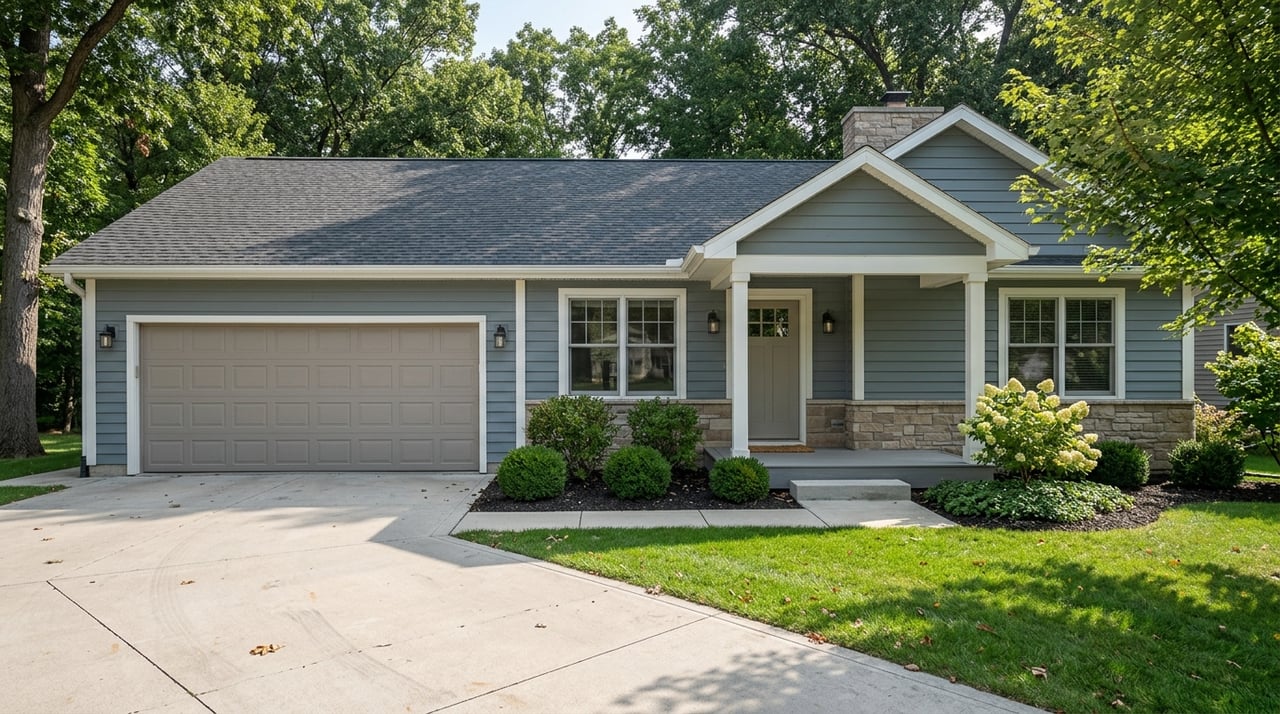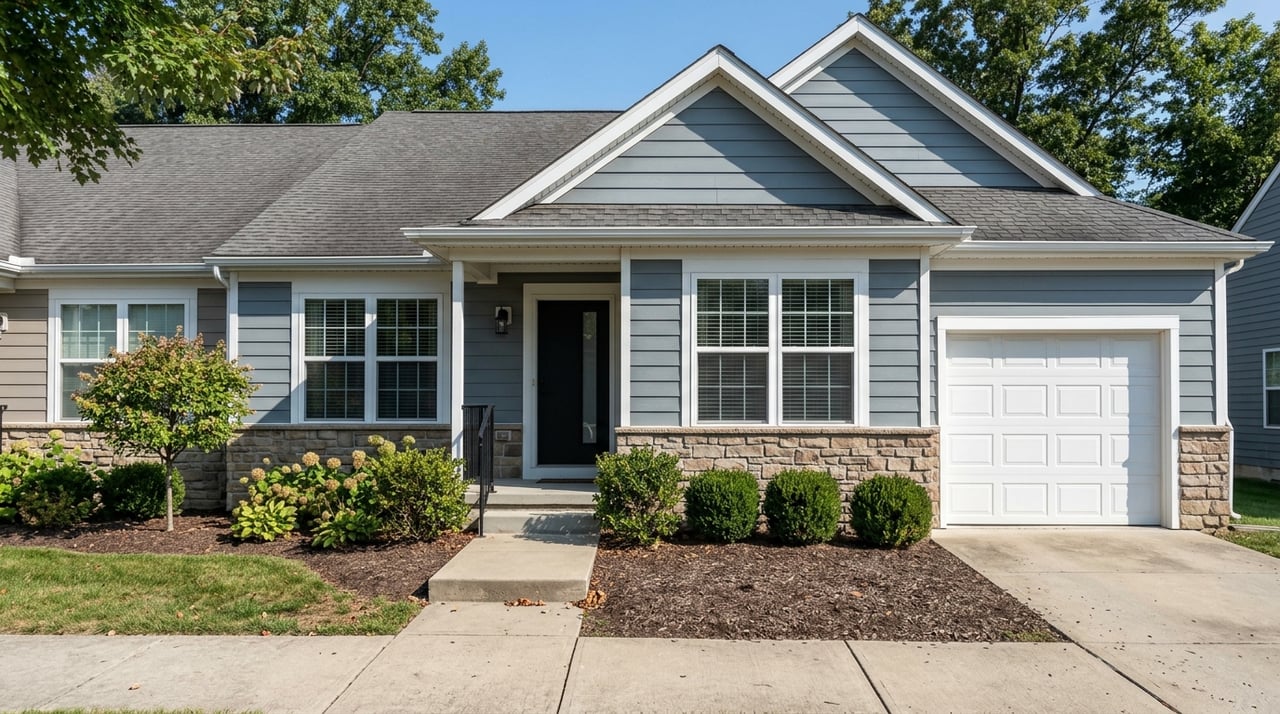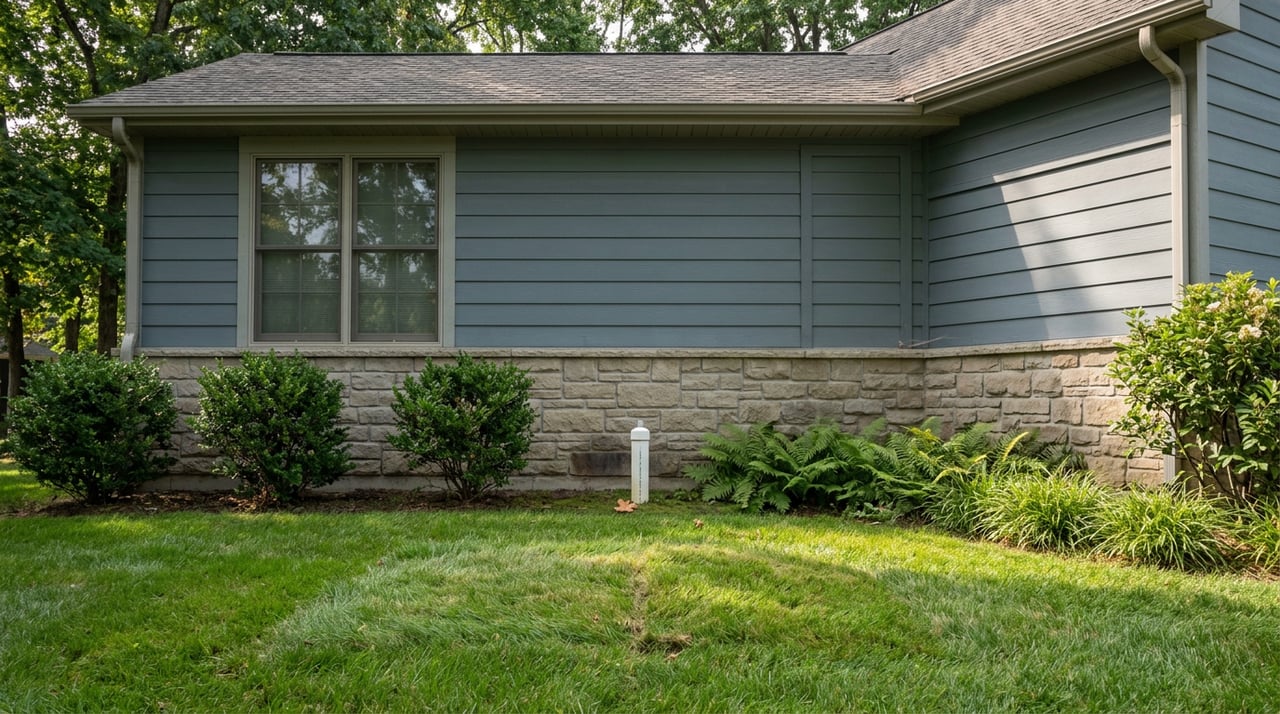
Ask a Bartonsville seller who pays to locate, expose, and pump the septic tank before closing, and most guess wrong. Under Pennsylvania's standard agreement of sale, if a buyer's home inspector wants the on-lot system found and emptied, that job and that bill fall to the seller, not the buyer. It is one of the more counterintuitive clauses in a Pennsylvania real estate contract, and it tends to blindside sellers who assumed the septic system was the buyer's problem to inspect and pay for.
In Bartonsville, that clause gets complicated before anyone even reaches the inspection contingency. The village is not one town for zoning, school assignment, or sewage enforcement. It is four.
One Village, Four Rulebooks
Bartonsville is an unincorporated community, which means it has no borough government of its own. Instead, Monroe County's own community profile describes it as spanning parts of Hamilton, Pocono, Jackson, and Stroud townships, calling it one of the few places in the region that straddles multiple municipal boundaries. Each of those townships runs its own government, its own school assignment, and, more relevant to a buyer mid-transaction, its own on-lot sewage program with its own certified Sewage Enforcement Officer under state law.
That matters because Pennsylvania has no single statewide septic code. The Department of Environmental Protection sets the overall framework through the Sewage Facilities Act, known as Act 537, but day-to-day permitting, inspection, and enforcement happen at the municipal level. A property's septic reality in Bartonsville depends less on the street name than on which of the four township lines it falls inside.
| Township | What it controls for a Bartonsville home |
|---|---|
| Pocono Township | Runs its own On-Lot Sewage Disposal System Management Ordinance, adopted in 2001 and last amended April 21, 2025 |
| Stroud Township | Maintains a separate sewage enforcement program and operates its own Stroud Township Sewer Authority for parts of the township on public sewer |
| Hamilton Township | Like every Pennsylvania municipality, enforces its own on-lot sewage program independent of its neighbors |
| Jackson Township | Runs its own on-lot sewage enforcement like its neighboring townships, and school district assignment for this part of Bartonsville can differ from the rest of the village |
The Pocono Township update is worth flagging on its own. The township's on-lot sewage ordinance, formally titled the "Pocono Township On-Lot Sewage Disposal System Management Ordinance," was last amended by Ordinance No. 2025-14 on April 21, 2025, just over a year ago. If your prospective home sits on the Pocono Township side of Bartonsville, that update is the current rulebook governing your system.
Why Your Zip Code Won't Help
Every Bartonsville address shares the same 18321 zip code, but zip codes are a postal convenience, not a governing boundary. They cross all four townships without regard for which one actually issues permits, enforces ordinances, or decides whether a home connects to public sewer or relies on an on-lot system. A buyer who checks the zip code and assumes uniformity is checking the wrong thing entirely.
The more useful question, and the one worth asking before an offer goes in, is simple: which township is this specific parcel in? That single answer determines who the Sewage Enforcement Officer is, which ordinance applies, and in some cases which school district a family should plan around.
The State Behind the Patchwork
Pennsylvania's decentralized approach to septic regulation is not unique to the Poconos, but Monroe County sits near the sharp end of it. Statewide, roughly 22 percent of Pennsylvania households, or about 1.15 million homes, relied on some form of on-lot sewage system as of early 2026, rather than public sewer. Monroe County's growth pattern makes that figure more relevant here than in most parts of the state: much of the area's residential development traces back to commuters building homes reachable from New York City, often in areas that never got public utilities in the first place.
The soil underneath compounds the issue. Rocky glacial soils and shallow bedrock across parts of Monroe and Pike counties push many properties toward sand mound systems rather than conventional in-ground drain fields, and well water drawn from the fractured Catskill Formation bedrock in this region needs more regular testing than groundwater in flatter parts of the state. Layered on top of that geology is a timing problem: Monroe County has seen a wave of septic systems from the 1970s and 1980s building boom now reaching the end of their expected service life. A Bartonsville home built during that era is statistically more likely to be carrying an aging system than a comparable home built later, which raises the odds that a routine pre-purchase inspection turns up something that needs negotiating.
The Clause That Surprises Sellers at Inspection
This is where the contract mechanics matter most. Pennsylvania does not mandate a statewide septic inspection before a home sale. Whether one is required depends on the municipality, which means the answer in Bartonsville depends, again, on which township the parcel sits in. Some townships require a pump-out and inspection before title transfers. Others leave it entirely to the buyer's discretion.
Where a buyer's lender or inspector does require it, though, Pennsylvania's standard agreement of sale places the burden on the seller. If the inspection company asks for the system to be located, exposed, and emptied, the seller pays for that work and restores the yard afterward, all before settlement. Many sellers who have never sold a home with an on-lot system are caught off guard by this, particularly if they assumed septic due diligence was purely a buyer expense the way it often is with other inspection items.
The costs involved are modest compared to what a failed system can cost later, but worth planning around. A pre-listing septic inspection in this region typically runs $300 to $600. If pumping is needed at the same time, add another $300 to $500. A cracked or deteriorating baffle, a common finding on older tanks, usually runs $200 to $500 to replace. Sellers who get ahead of these numbers before listing tend to negotiate from a stronger position than those who find out mid-contract.
What the Disclosure Form Actually Asks
Pennsylvania's Real Estate Seller Disclosure Law requires sellers to reveal known material defects, and the standard disclosure form asks directly about the sewage system: its type, its age, the date it was last pumped, and any history of problems. A seller who knows the drain field floods every spring cannot leave that line blank. Buyers in Pennsylvania have up to two years after settlement to bring a claim if an undisclosed defect surfaces, which gives both sides real reason to get the answers right the first time rather than guess.
None of this is legal advice, and township requirements can change. The reliable path is to confirm specifics directly with the relevant township's Sewage Enforcement Officer, and to loop in a closing attorney once an offer is in motion.
Before You Write an Offer in Bartonsville
- Identify the exact township for the parcel using county parcel records, not the zip code or the listing's general area description.
- Ask the listing agent, or the township directly, whether that township requires a septic inspection or pump-out before title transfers.
- Request the system's permit history and last pump date from the seller if the home is on an on-lot system.
- Confirm whether the street runs on public sewer through Stroud Township's authority or on an on-lot system regulated by Pocono, Hamilton, or Jackson Township.
- Budget time and money for a septic inspection if the home was built during the 1970s or 1980s, given how many systems from that era are reaching replacement age locally.
Frequently Asked Questions
Does the 18321 zip code tell me which township I'm in? No. All four townships that make up Bartonsville, Hamilton, Pocono, Jackson, and Stroud, share that zip code. Township is determined by parcel boundary, not postal routing.
Do all homes in Bartonsville have septic systems? Not necessarily. Stroud Township operates its own sewer authority for parts of the township, meaning some Bartonsville-area streets connect to public sewer while others nearby rely on on-lot systems. The only way to know for a specific address is to check that parcel directly.
If I'm selling, am I always responsible for the septic inspection cost? Under Pennsylvania's standard agreement of sale, if the buyer's inspection company requires the system to be located, exposed, and pumped, that cost falls to the seller by default, along with restoring the property afterward. Buyers and sellers can negotiate different terms in the contract, but that is the default position worth knowing before you sign anything.
A four-township village is not a reason to slow down on a Bartonsville purchase, but it is a reason to ask sharper questions earlier than most buyers think to. Kacey Conaty works this exact corridor and can tell you which township a specific listing sits in before you ever schedule a showing. Contact Kacey to start your Pocono search with the right questions already answered.